


Do you often find yourself worrying about things that have already happened or constantly thinking about what might happen in the future? Anxiety and overthinking can affect your thoughts, emotions, sleep, concentration, relationships, and everyday activities. While occasional worry is a normal part of life, persistent anxiety and excessive thinking may become difficult to manage without proper support.
At Deep Homeopathy & Psychology Clinic, we understand that every person experiences anxiety differently. Identifying the underlying anxiety causes, recognizing the symptoms, and receiving appropriate professional guidance can help you understand your concerns and work toward better emotional well-being.
What is overthinking? Overthinking refers to repeatedly analyzing, questioning, or replaying thoughts, situations, decisions, or events without reaching a useful conclusion. A person may continuously think about past mistakes, future possibilities, conversations, relationships, work, health, or everyday decisions.
When overthinking becomes frequent, it may contribute to stress and anxiety. It can also make it difficult to relax, sleep, concentrate, or make decisions.
Anxiety is a feeling of worry, fear, nervousness, or uneasiness that can occur in response to a situation or sometimes without an obvious immediate reason. Everyone experiences anxiety from time to time, but persistent or intense anxiety can interfere with daily life.
Understanding the anxiety issues meaning can help people recognize when occasional worry may have developed into a concern that deserves professional attention.

The connection between anxiety and excessive thinking can create both emotional and physical symptoms. Common anxiety and overthinking symptoms may include:


There is no single cause of anxiety. Different physical, emotional, psychological, and environmental factors may contribute to anxiety and excessive worrying.
Some possible anxiety causes include:
Sometimes, a person may experience anxiety without being able to identify one specific cause. A professional assessment can help explore the factors that may be contributing to the individual's concerns.

Overthinking can appear in different forms. Some common types of overthinking include:
This involves repeatedly thinking about past situations, conversations, mistakes, or events and wondering what could have been done differently.
A person may continuously imagine possible negative outcomes and prepare mentally for situations that have not happened.
Even simple decisions may become difficult when someone repeatedly compares every possible outcome and worries about making the wrong choice.
A person may repeatedly analyze conversations, messages, reactions, or interactions and worry about what another person might think or feel.
Some individuals repeatedly focus on their perceived mistakes, weaknesses, or shortcomings, which can increase emotional distress.
Recognizing the type of overthinking you experience can be a useful first step toward understanding your thought patterns.
Persistent worrying and excessive thinking can affect several areas of life. A person may find it difficult to focus on work or studies, enjoy social interactions, sleep peacefully, or make everyday decisions.
Over time, continuously engaging with stressful thoughts can also leave a person feeling mentally tired and emotionally overwhelmed.
This is why understanding anxiety and overthinking early and seeking suitable support can be important.
Occasional worry and overthinking are common. However, professional support may be worth considering when anxiety or excessive thoughts:
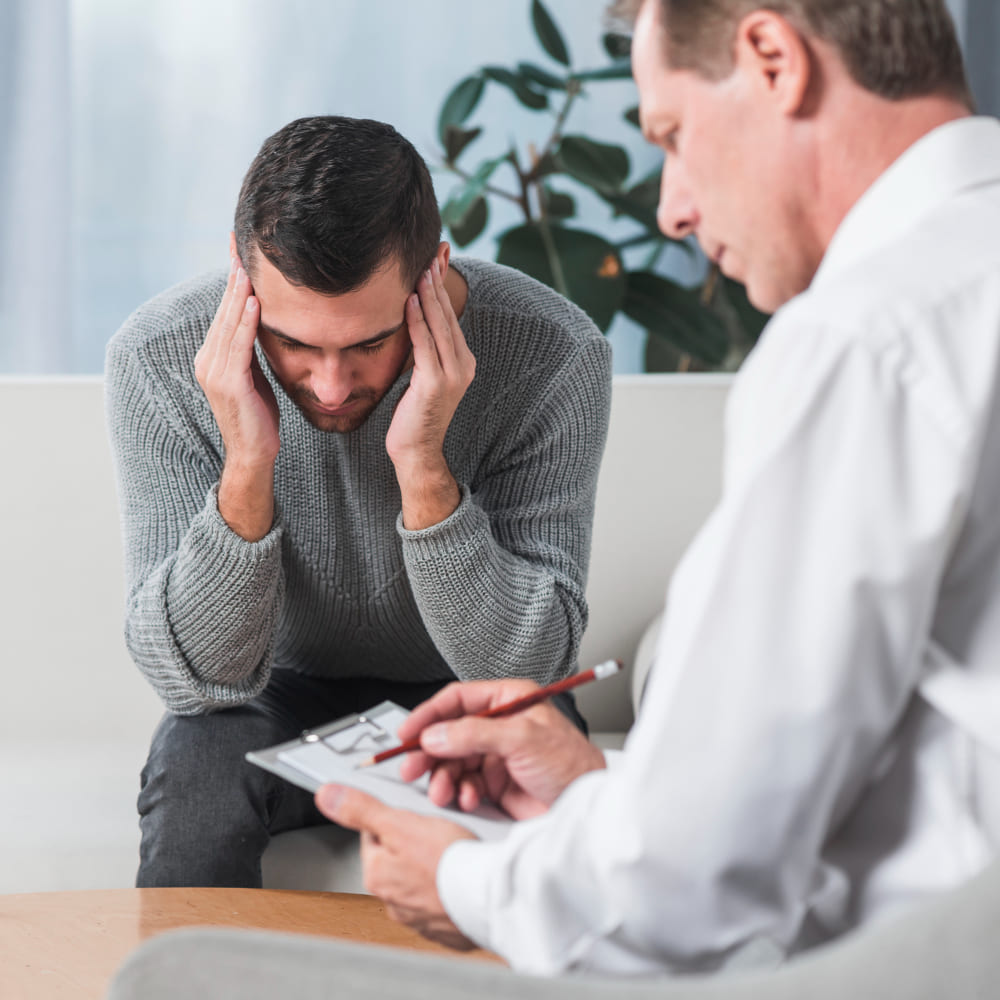
Consulting a psychologist for anxiety can provide a structured environment where you can discuss your thoughts, emotions, worries, and experiences without judgment.
At Deep Homeopathy & Psychology Clinic, professional psychological support can help individuals understand their concerns, identify patterns that may contribute to anxiety, and explore appropriate ways to manage difficult thoughts and emotions.
Anxiety counselling focuses on helping individuals understand their worries, emotional responses, and thought patterns. Counselling may provide a supportive space to discuss concerns and learn practical ways to manage difficult thoughts and emotions.
At Deep Homeopathy & Psychology Clinic, anxiety-related concerns can be discussed during a professional consultation to better understand the individual's needs and suitable support options.
Overthinking counselling can help individuals explore why certain thoughts keep repeating and how these thought patterns affect their emotions and behavior.
Through counselling for overthinking, individuals may learn to recognize repetitive thinking patterns, understand their triggers, and develop healthier ways of responding to difficult thoughts.
Deep Homeopathy & Psychology Clinic provides a supportive setting where individuals can discuss concerns related to overthinking and explore appropriate professional guidance.
The appropriate overthinking treatment depends on the underlying causes, severity, symptoms, and individual circumstances. Professional support may include psychological counselling, behavioral strategies, stress-management techniques, lifestyle changes, or other approaches recommended by a qualified professional.
At Deep Homeopathy & Psychology Clinic, the focus is on understanding each individual's concerns and providing guidance based on their specific needs.
Anxiety treatment should be individualized according to the person's symptoms and needs. Depending on the situation, professional care may involve counselling, psychological interventions, lifestyle adjustments, or medical treatment when clinically appropriate.
At Deep Homeopathy & Psychology Clinic, individuals can discuss their anxiety-related concerns with qualified professionals and explore an individualized approach to their well-being.
Alongside professional guidance, certain everyday habits may support emotional well-being:
At Deep Homeopathy & Psychology Clinic, we understand that anxiety and overthinking can have different contributing factors and may affect each individual differently. Understanding a person's concerns, experiences, emotional patterns, and everyday challenges can be an important part of professional consultation.
The clinic provides support for individuals seeking guidance related to anxiety, overthinking, emotional concerns, and psychological well-being. The appropriate approach depends on the individual's symptoms, circumstances, and professional assessment.
If persistent worrying, repetitive thoughts, or anxiety are affecting your daily life, speaking with a qualified professional at Deep Homeopathy & Psychology Clinic can be a step toward understanding your concerns and exploring suitable support.
 Chronic
Skin Disorders
Chronic
Skin Disorders